Simple Gourmet Hot Dog Ideas with Big Flavor
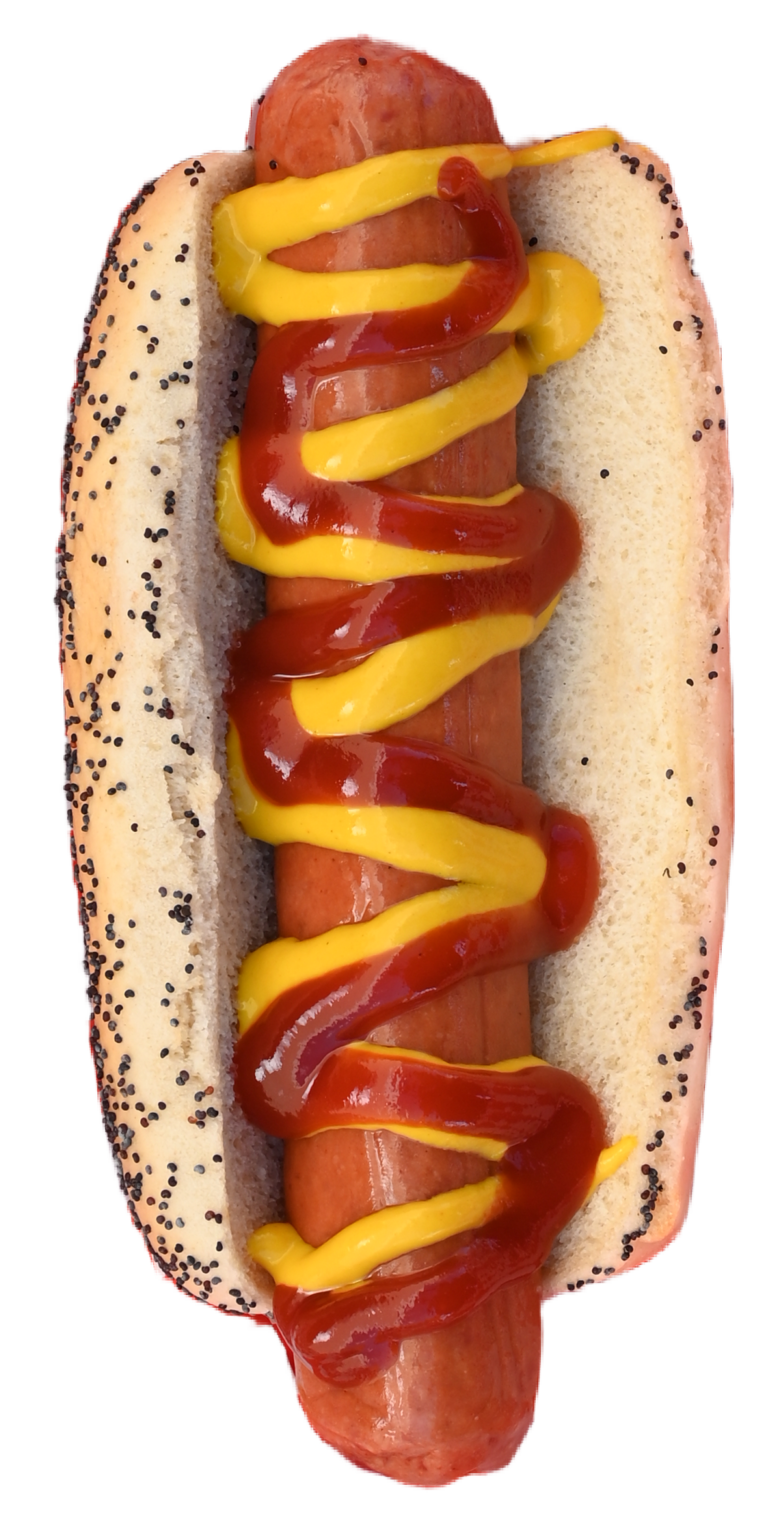
A hot dog does not need much to become memorable. That is part of its appeal. The format is forgiving, the cooking is fast, and the payoff can feel far more polished than the effort suggests. With a few smart choices, a weeknight hot dog can taste like something from a ballpark with standards, a neighborhood grill that knows what it is doing, or a backyard party where the host quietly understands food.
The difference between an ordinary hot dog and a gourmet one rarely comes down to extravagance. It is usually about balance. A good dog needs fat, salt, acid, texture, and a little contrast. It also needs restraint. Piling on toppings without thinking is the quickest way to bury the thing you came to eat.
Over the years, I have found that the best hot dog ideas are simple enough to pull off on a Tuesday, but specific enough to feel intentional. You do not need truffle oil, edible flowers, or a shopping list full of imported condiments. You need good heat, a bun that can handle itself, and toppings that know their roles.
What makes a hot dog taste gourmet
The word gourmet gets overused, especially for food that is casual by design. For a hot dog, it should mean one of three things. The ingredients are better than average. The toppings are assembled with some care. Or the flavor combination has a point of view. If you can manage all three, great. If you can manage one well, that is usually enough.
Start with the dog itself. All beef franks tend to bring a clean, savory snap that stands up to bold toppings. Pork and beef blends can be richer and a little softer. Chicken or turkey dogs have their place, especially if you want something lighter, but they need more help from condiments and crunch because they often bring less natural richness. There is no shame in using what you like, though there is a noticeable jump in flavor once you move from bargain packs to brands with a firmer texture and a better spice profile.
Then there is the bun. Most people spend all their attention on the sausage and treat the bread as packaging. That is a mistake. A steamed bun gives softness and comfort. A toasted bun gives structure and flavor. For heavier toppings, toasted is the safer move. Brioche can work if it is not too sweet. Potato buns are especially good because they stay tender while holding together. A split-top bun, when you can find one, makes assembly cleaner and gives more surface area for butter and toasting.
Heat matters too. Grilling adds smoke and char, which can carry assertive toppings like pickled peppers or strong mustard. Pan-searing creates a deep crust and works beautifully for indoor cooking. Simmering in water is fine when convenience wins, but it will never be the most flavorful method. If I am making a hot dog for people I want to impress, even casually, I either grill it or brown it in a skillet with just enough oil to encourage blistering.
The quiet power of contrast
Big flavor is rarely about making everything loud. It is about setting one flavor against another so each tastes sharper. A rich, smoky dog wakes up with acidity. A soft bun improves with crunch. Sweet onions need mustard. Melty cheese wants something bright nearby, even if it is only a spoonful of pickled jalapeños.
This is why some of the most satisfying gourmet hot dog combinations are built from ordinary grocery staples. Sauerkraut and brown mustard work because the cabbage is acidic and earthy while the mustard cuts through fat. Cream cheese and grilled onions work because one is cool and lush, the other sweet and browned. Bacon and barbecue sauce can be good, but without a tart pickle or slaw, the whole thing leans heavy and tires the palate halfway through.
When you build a hot dog, think like a cook rather than a collector. You are not trying to fit more on top. You are trying to make each bite complete.
Five combination ideas that feel special without getting fussy
These are the kinds of hot dog builds that consistently deliver. Each one uses easy-to-find ingredients and gives you a clear flavor direction.
-
Caramelized onion, grainy mustard, and Gruyère
This one leans into sweetness, salt, and nuttiness. Cook sliced onions low and slow until they turn deeply golden, not merely soft. A little Gruyère, melted either under a broiler or by covering the pan briefly, adds a savory richness that tastes expensive in the best way. Grainy mustard keeps it from going flat. -
Pickled jalapeño, cream cheese, and crispy onions
The cream cheese sounds unusual if you have not tried it, but it works. Spread a thin layer on the bun, add the hot dog, then top with pickled jalapeños and a handful of crisp fried onions. You get heat, tang, crunch, and a cool dairy note that softens the edges. -
Bacon, apple slaw, and sharp cheddar
This combination does more than stack familiar favorites. The apple slaw is what makes it. Toss thin cabbage and apple slices with cider vinegar, a touch of mayo, salt, and black pepper. The slaw brings freshness and bite, which bacon and cheddar badly need. -
Sauerkraut, deli mustard, and roasted apple
This one is excellent in cooler weather. Use warm sauerkraut, a firm mustard, and a few thin slices of roasted apple. The apple does not make the dog sweet so much as round out the kraut's acidity. It tastes thoughtful and seasonal without asking much from the cook. -
Tomato relish, fresh herbs, and crumbled feta
Think of this as a brighter, lighter hot dog. A chunky tomato relish with a little vinegar, plus chopped parsley or dill, gives freshness. Feta brings salt and creaminess in small bursts. This works especially well with chicken sausages or milder franks.
You could serve any of these at a cookout and people would remember them. Not because they are complicated, but because the flavors are distinct.
Building flavor from the pan up
One habit that improves almost any hot dog is preparing at least one topping yourself, even if everything else comes from a jar or package. It changes the personality of the dish. Store-bought sauerkraut plus homemade onions tastes more considered than all packaged toppings dumped on top. A quick slaw, a fast relish, or a pan of mushrooms gives the meal a center of gravity.
Onions are the obvious place to start. Caramelized onions need patience more than skill. Use a wide skillet, moderate heat, and enough time for browning to happen gradually. If the pan dries out too early, a splash of water helps loosen the browned bits and keeps the onions moving toward jammy rather than burnt. Done right, they add sweetness, depth, and the faint bitterness that keeps a rich hot dog interesting.
Mushrooms can be just as useful, especially if you want a deeper savory note. Brown them hard. Most disappointing mushrooms are crowded and steamed. Spread them out, salt late, and let them actually sear. Add thyme if you like, or a spoonful of Dijon at the end. On a https://damienjica333.novacrestiq.com/posts/the-secret-to-juicy-and-flavorful-hot-dogs hot dog with Swiss cheese, they make a convincing case for themselves.
Relishes deserve more respect too. Many people default to neon-green pickle relish because it is familiar, not because it is the best choice. A rough chopped relish made from dill pickles, shallot, parsley, and a spoonful of capers has much more personality. Tomato relish, corn relish, and onion jam all bring stronger identities to the table. The principle is simple. If a topping tastes vivid on its own, it will probably help the dog.
Sauce matters more than people think
A gourmet hot dog usually has a better sauce story. Ketchup has its place, especially if that place is nostalgia, but richer combinations often need more nuance. Mustard is the easiest upgrade, and the variety matters. Yellow mustard gives brightness and old-school sharpness. Dijon tastes smoother and a little more refined. Whole grain mustard adds texture. Deli mustard brings punch.
Aioli, when used lightly, can be useful as well. Garlic aioli pairs well with roasted peppers or grilled onions. Chipotle mayo works with slaw and cheddar. A horseradish sauce can be excellent with roast beef style toppings or with crispy onions and pickles. The word lightly matters here. Too much sauce turns the bun damp and the structure messy, which is one of the fastest ways to sabotage a good hot dog.
Barbecue sauce is another case that requires judgment. It can be very good with bacon, grilled onions, and cheddar, but many bottled versions are so sweet that they flatten everything around them. If you use it, think of it as a note rather than a blanket. A spoonful is usually enough.
The bun is not an afterthought
Great buns do two jobs at once. They disappear enough to let the filling lead, and they contribute enough to make the whole bite feel finished. When people complain that loaded hot dogs are hard to eat, the problem is often not the topping choice. It is the bun.
Toasting solves a lot. Brush the inside lightly with butter or oil, then toast until the edges are golden and the center stays tender. That gives the bread flavor and helps resist sogginess. If you are using cheese, a toasted bun also provides a firmer base so the melted layer does not turn the entire thing limp.
Steaming has its own virtues. If you are making classic style hot dogs with simple toppings, a steamed bun gives the softness people expect. It also works well when your toppings are dry, like mustard and chopped onions. But once you move into slaws, relishes, mushrooms, or melted cheese, toast becomes your friend.
I have also learned to warm the bun even when I do not toast it. Room-temperature bread against a hot sausage always feels slightly unfinished. Thirty seconds of care improves the experience more than people expect.
Two mistakes that make gourmet hot dogs less enjoyable
The first is overloading. A hot dog is narrow. It cannot carry the same burden as a burger or sandwich. Once toppings rise too high, every bite becomes a negotiation between gravity and appetite. The better approach is to use fewer toppings with stronger flavor. Three well-chosen elements almost always beat seven random ones.
The second mistake is ignoring texture. Soft bun, soft dog, soft onions, soft cheese, soft sauce, that is a one-note bite no matter how good the ingredients are. Add something crisp, crunchy, or pickled. Fried shallots, chopped pickles, slaw, radish, celery salt, toasted breadcrumbs, even crushed kettle chips in the right context. Texture is what turns richness into satisfaction instead of fatigue.
A practical approach for weeknights
The strongest argument for simple gourmet hot dog ideas is that they fit real life. You can cook them fast, scale them easily, and use ingredients that overlap with other meals. That makes them more useful than many aspirational recipes.
If you want a reliable routine, keep one rich topping, one sharp topping, and one crunchy topping in mind. That mental framework helps when the refrigerator is half full and dinner needs to happen in twenty minutes. Maybe the rich element is cheese or avocado. The sharp one is mustard, kraut, or pickled peppers. The crunchy one is slaw, onions, or celery. Once you start thinking that way, improvising becomes easier.
Here is the short version I use most often:
- Choose a good hot dog and cook it until it has color.
- Warm or toast the bun so it contributes something.
- Add one creamy or savory element, one acidic element, and one crunchy element.
- Keep the topping quantity modest so the dog stays easy to eat.
- Finish with something sharp, like mustard, herbs, or black pepper, to wake up the bite.
That pattern is flexible enough to carry you through nearly any pantry situation. It is also why hot dogs are such strong vehicles for leftovers. A spoonful of braised cabbage, a bit of shredded roast chicken, some pimento cheese, or a few pickled onions can all find a home here if you think in terms of balance.
When regional styles are worth borrowing from
Some of the best hot dog ideas are already out in the world, proven over decades by people who care deeply about them. Borrowing from regional traditions is a smart move, especially when you need inspiration that feels grounded instead of gimmicky.
A Chicago-style build teaches discipline. Even if you do not follow it exactly, it shows how fresh vegetables, tang, spice, and crunch can create a vivid whole. A chili dog teaches comfort and generosity, but it also reminds you that bun strength matters. A Seattle-style dog, with cream cheese and onions, shows how unusual pairings can become classics because they work on the palate, not because they sound impressive.
The trick is to borrow the logic, not just the ingredient list. Ask what makes that style effective. Is it the acid, the creaminess, the spice, the snap, the freshness? Once you know the why, you can adapt it intelligently.
Cheese on a hot dog, done with some judgment
Cheese is often treated as an automatic upgrade, but it only helps when it serves the rest of the build. Sharp cheddar gives punch and works well with bacon, barbecue flavors, and pickles. Swiss or Gruyère pairs naturally with onions and mushrooms. Feta or cotija can brighten a dog with tomato, herbs, or charred corn. Cream cheese is its own category, more spread than topping, and it needs acid or heat nearby.
What tends to fail is using too much mild cheese. A thick blanket of low-flavor melted cheese makes the hot dog feel heavy without adding enough character. If you want that indulgent effect, use a smaller amount of a cheese with real identity. You need less, and the result tastes more focused.
A note on grilling for a crowd
When making gourmet hot dogs for several people, the best strategy is not creating ten separate topping stations. That usually leads to chaos, waste, and soggy buns while guests deliberate. Instead, offer two or three composed options and prep them well.
This is where simple combinations shine. You can keep a tray of grilled hot dogs warm, toast buns in batches, and set out a couple of topping bowls that were designed to work together. A caramelized onion and Gruyère option beside a slaw and cheddar option feels generous without becoming complicated. Guests still get choice, but the meal keeps its shape.
It also helps to think about timing. Crunchy toppings should be prepped close to serving. Warm toppings like onions or kraut should stay warm. Sauces should be easy to spoon, not dribble everywhere. These details sound small until you have hungry people waiting with paper plates and no interest in your good intentions.
Why simple usually wins
The best gourmet hot dog is often the one that respects the original idea of a hot dog. It should be satisfying, portable enough to eat without cutlery, and clear in flavor. That does not mean boring. It means edited.
When people miss the mark, it is usually because they chase novelty over pleasure. Foie gras, truffle cream, and six kinds of garnish might get attention, but attention is not the same thing as appetite. A hot dog topped with properly browned onions, good mustard, and a little sharp cheese can be more memorable than a luxury version trying too hard.
There is also something pleasing about using humble ingredients well. A jar of kraut, a skillet of onions, a toasted bun, a better sausage, that is not an expensive formula. It is simply a thoughtful one. And thoughtful food tends to taste generous, even when it is built on something as familiar as a hot dog.
If you want big flavor, start small. Improve the bun. Brown the dog properly. Add one topping with sweetness, one with acidity, and one with texture. Taste as you go. Keep the whole thing easy to eat. That is how hot dogs become gourmet, not by pretending to be something else, but by becoming the best version of what they already are.
Under Construction Hot Dogs
1225 W U.S. Hwy 50, Pueblo, CO 81008
FAQ About hot dog
What are different types of hotdogs?
Under Construction Hot Dogs offers a classic all-beef hot dog, a quarter-pound Jumbo Dog, a Chili Dog, and a Chicago Dog, along with brats and a Spicy Link.
What does a chili dog have on it?
Our Chili Dog pairs a Vienna all-beef hot dog with chili, shredded cheddar cheese, and finely diced onions.
What is in a traditional Chicago dog?
Our Chicago Dog comes on a steamed poppy seed bun with yellow mustard, bright green relish, onions, tomato wedges, a pickle spear, sport peppers, and celery salt.
Corrections
Spot something wrong? Send it to the desk and it gets fixed in the open.